We've moved! 🏡 From 10.10.26 you'll find us at Mandachstrasse 52, 3rd floor, 8155 Niederhasli · Book now✨




TREATMENT
What happens during a session?
Key Moments of the Terranova Tactile Therapy
Welcoming and Listening
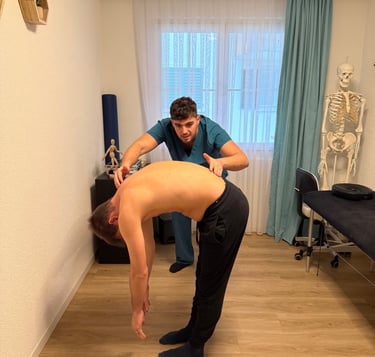
Observation and Assessment
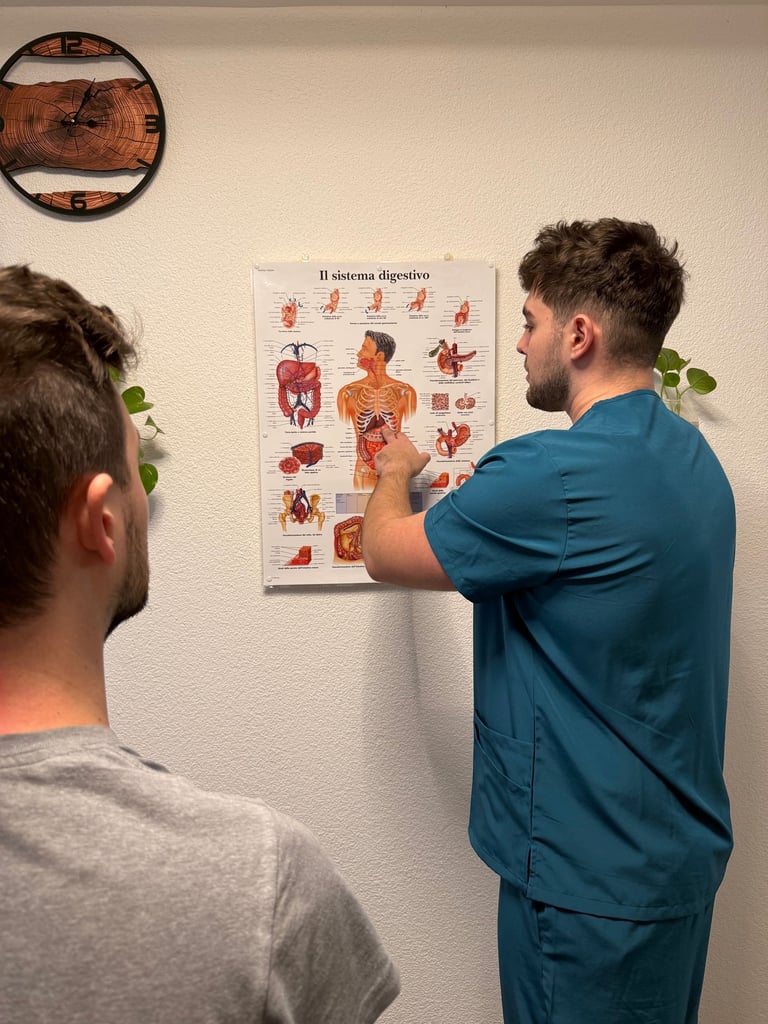
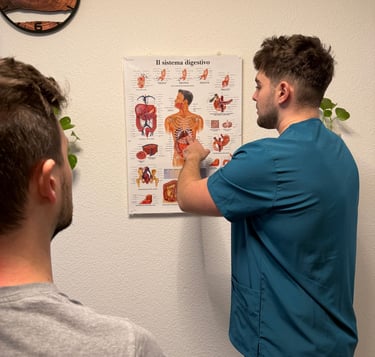
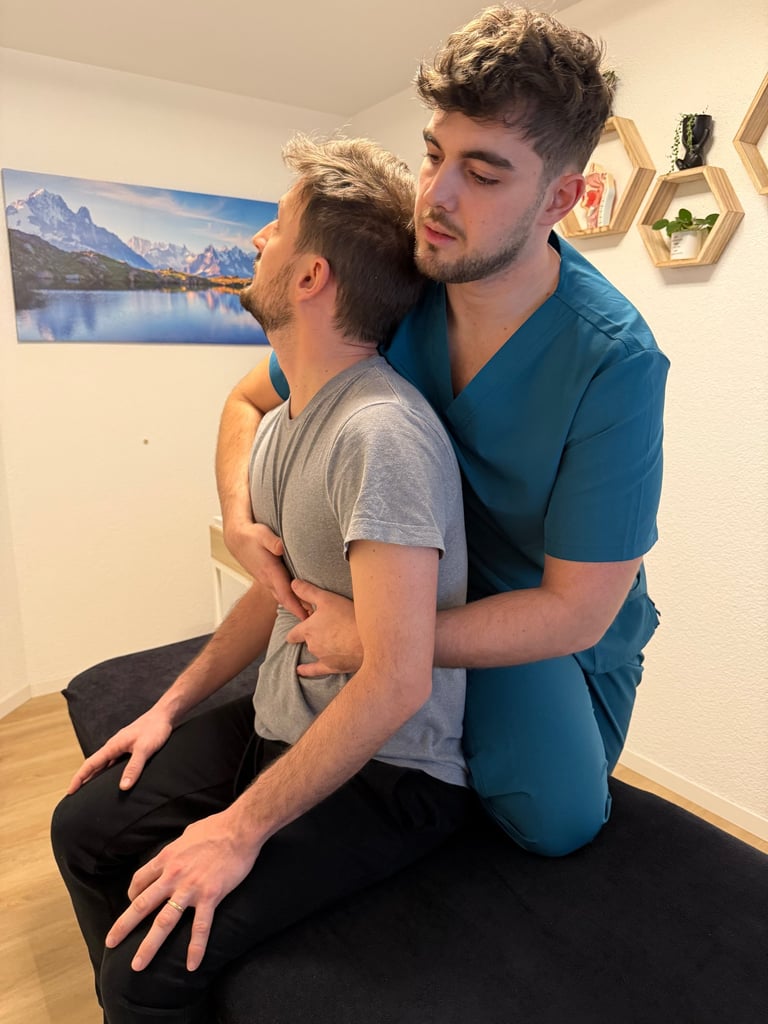
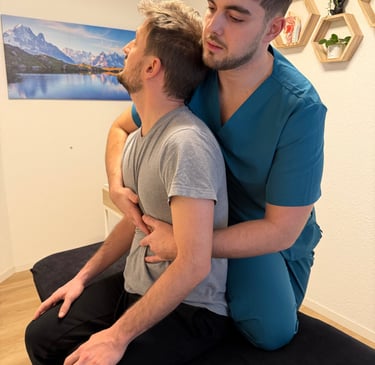
Personalized Manual Treatment
Conclusion and Recommendations







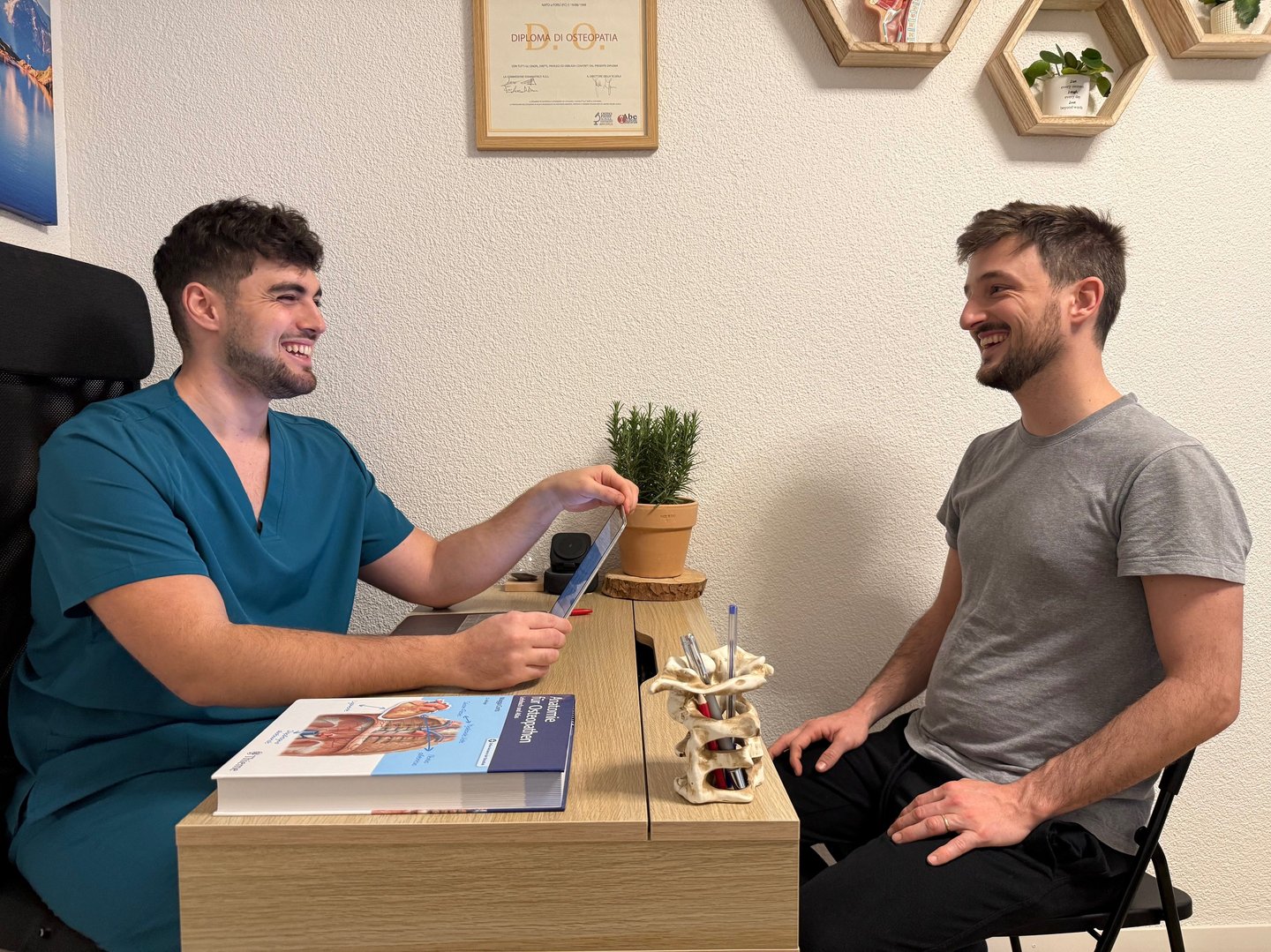
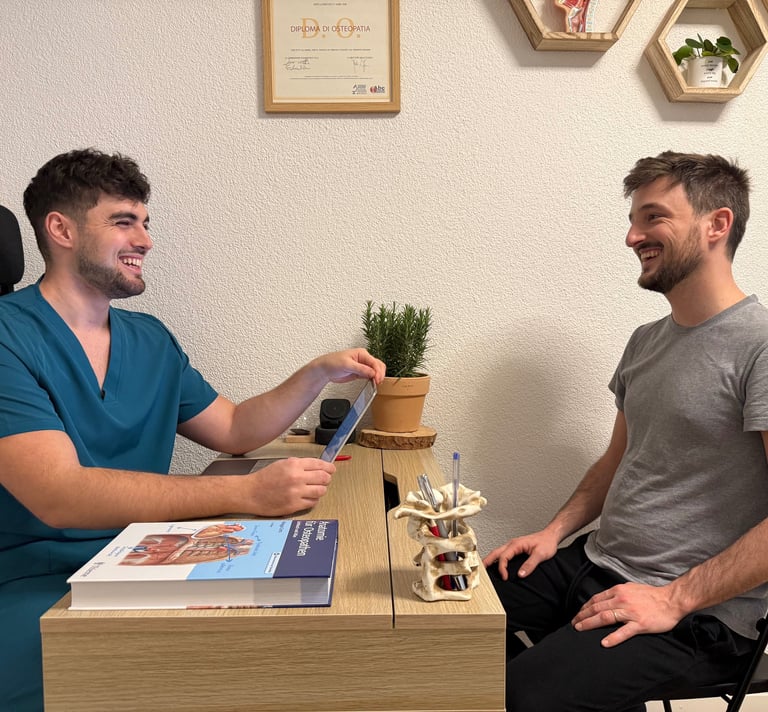

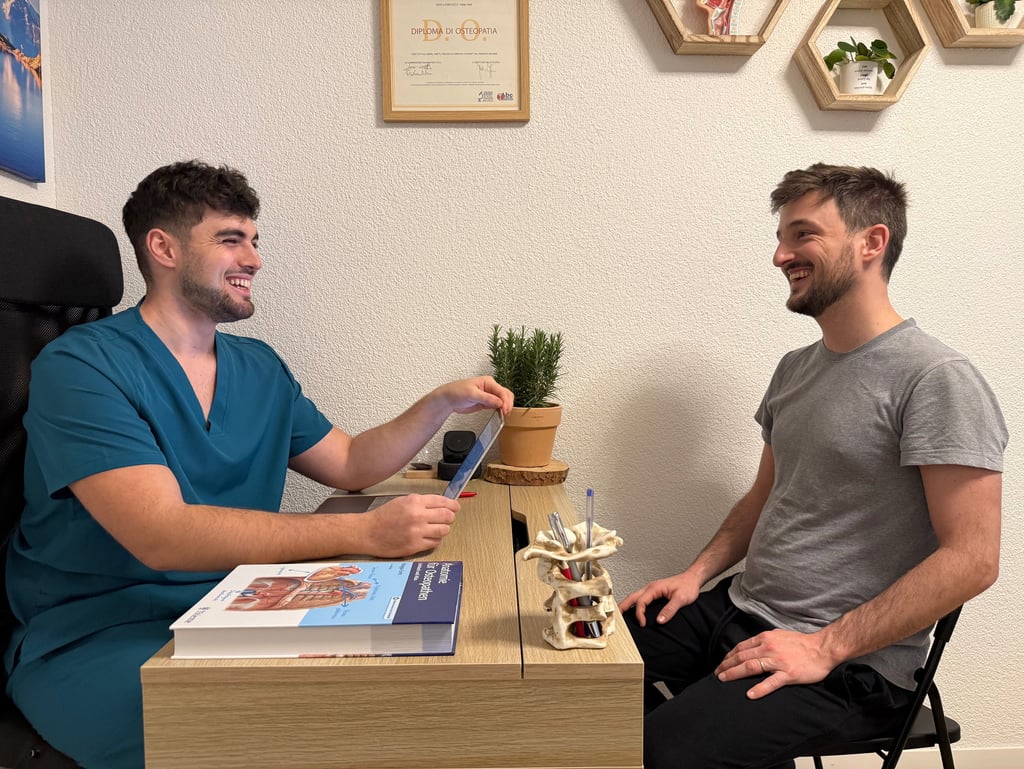
Welcoming and Listening
During this first session, detailed information is gathered through targeted questions and attentive dialogue. Elements such as the following are explored:
👉🏻 Reasons for the visit
👉🏻 Current symptoms (when they started, how they manifest, and their frequency)
👉🏻 Any past traumas, injuries, or surgeries
👉🏻 Postural habits and lifestyle (work, sports, daily activities)
👉🏻 Medical history and responses to previous treatments
👉🏻 Stress factors, sleep quality, daily routine, and diet
This phase is essential for creating a personalized treatment plan, because the body is constantly communicating: it is up to us to learn how to listen to its signals and interpret them accurately.
Observation and Assessment
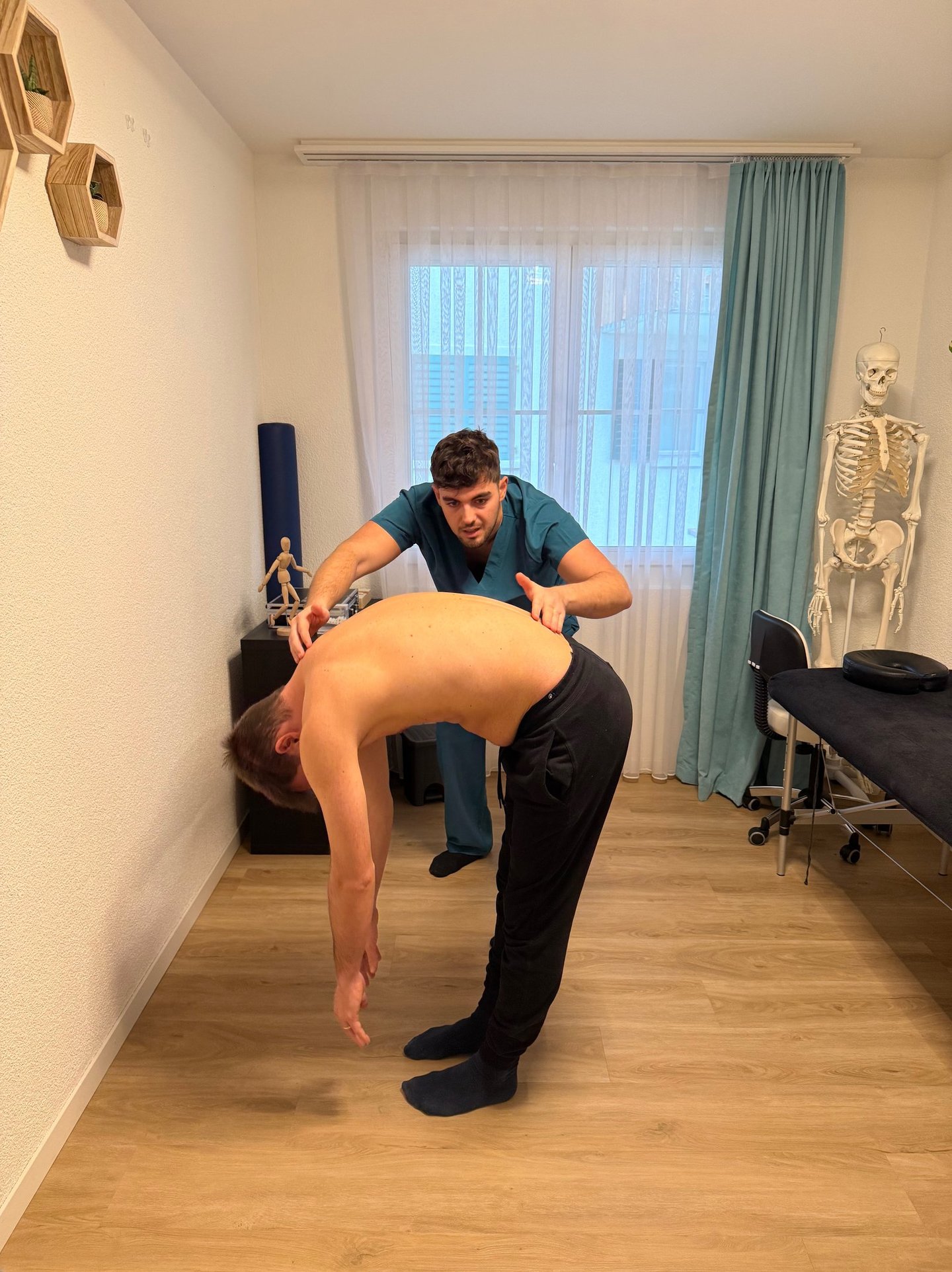
A thorough assessment of the body is then carried out:
📌 Tissue Palpation
📌 Visual and Balance Tests
📌 Differential Diagnosis Tests
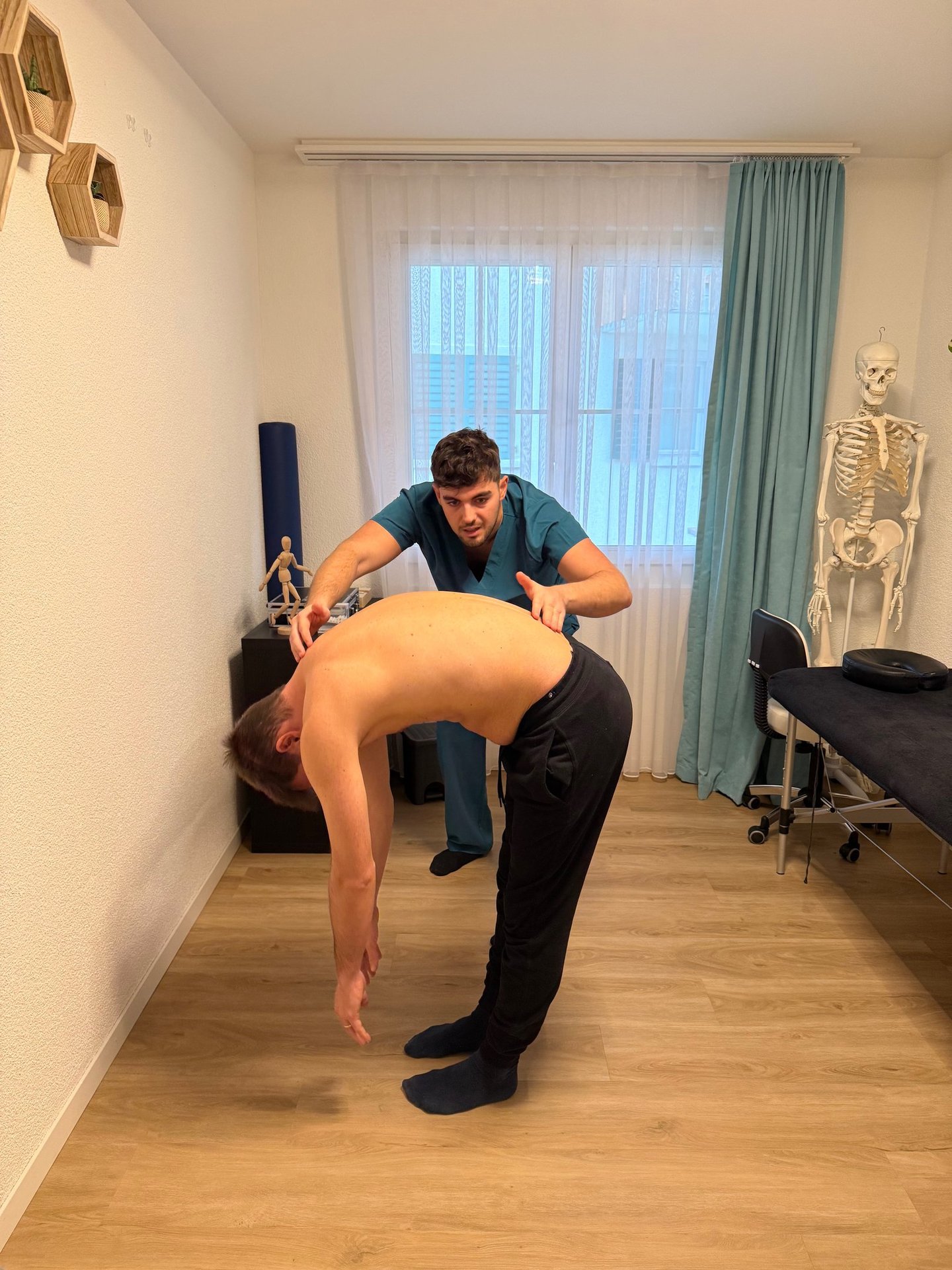
This assessment is not only meant to “find the pain,” but also to understand how the body has adapted over time and to observe what the body truly reveals.
📌Observation of posture and movement








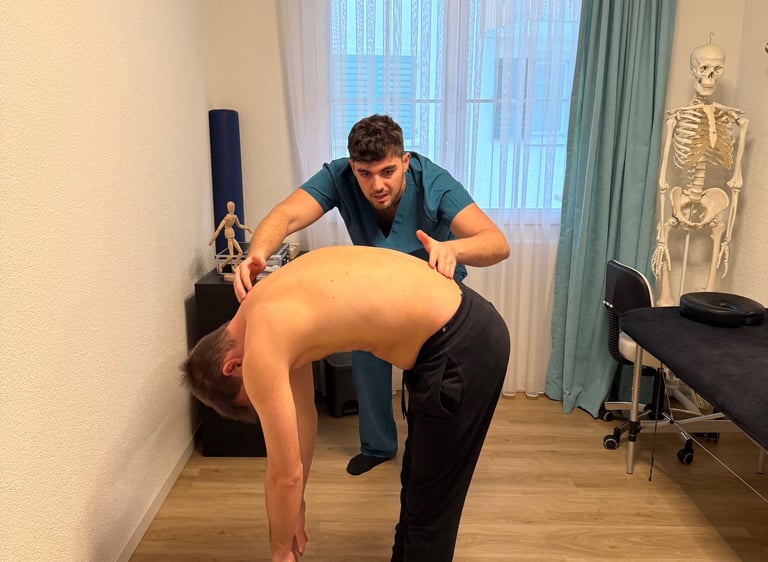
With gentle manual contact, the sensitivity, tone, and mobility of both superficial and deep tissues are assessed.
Palpation is a way to “feel with the hands” what may not be immediately visible.
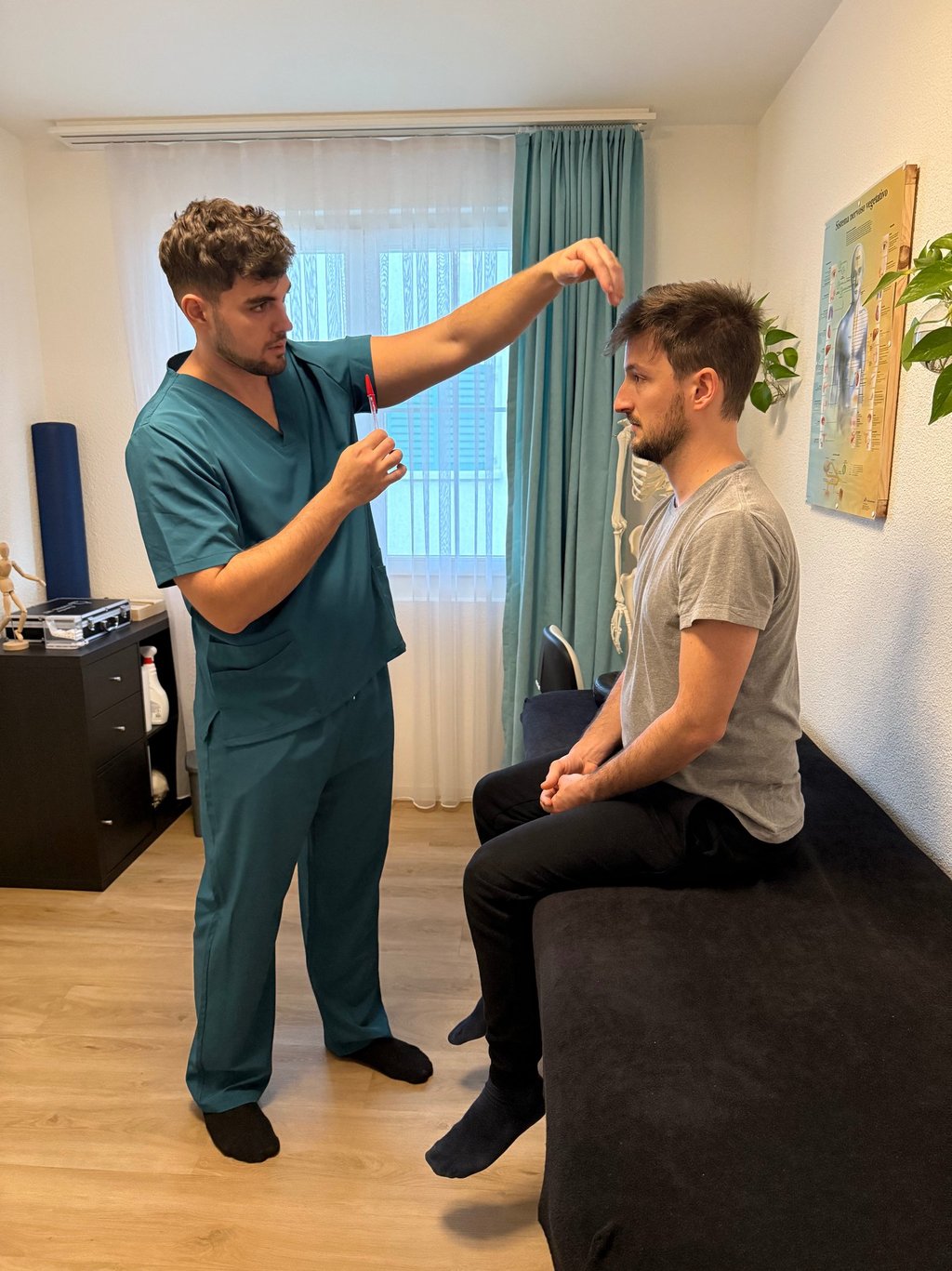
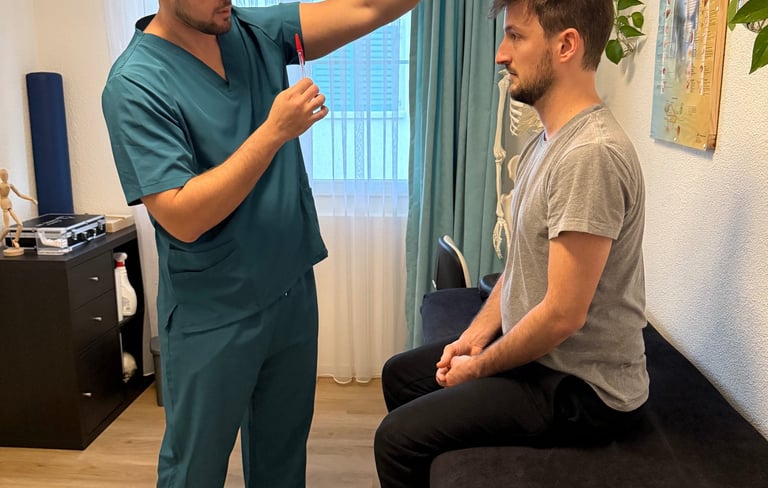
To understand how the body integrates sensory information and maintains balance in space.
Simple visual and balance tests are performed.
The position of the body is observed both in static (standing) and dynamic (in motion) conditions, noting the joints’ ability to move within their natural ranges and observing any limitations or compensations.
These are useful for ruling out conditions that require intervention by other healthcare professionals and for ensuring that the proposed treatment is appropriate, safe, and targeted.
Personalized Manual Treatment
We now enter the core of the treatment: every intervention is based on the findings from the previous assessment phases.
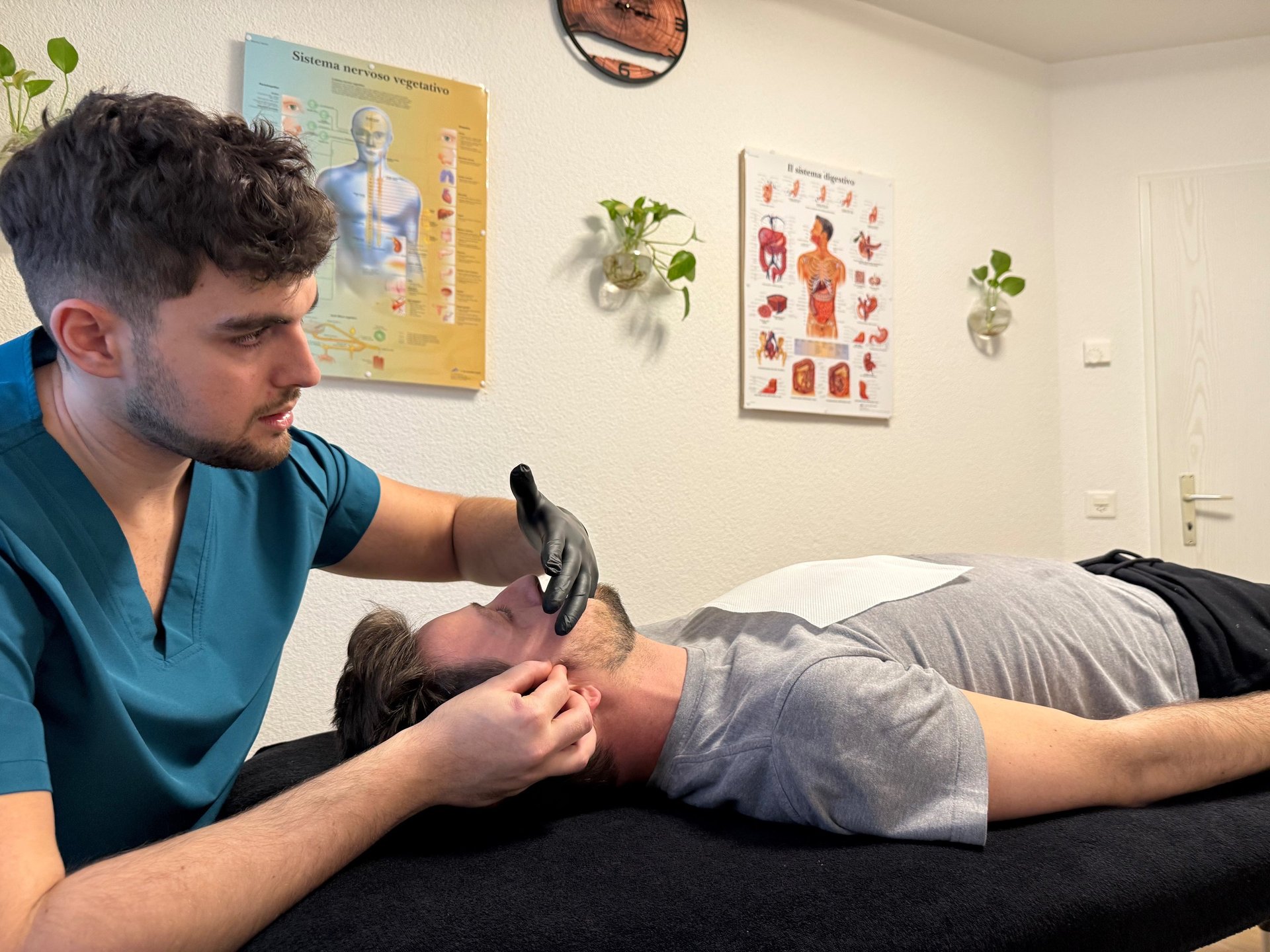
The therapy is entirely manual and relies on hand contact; depending on the individual’s specific needs, the following approaches are integrated:
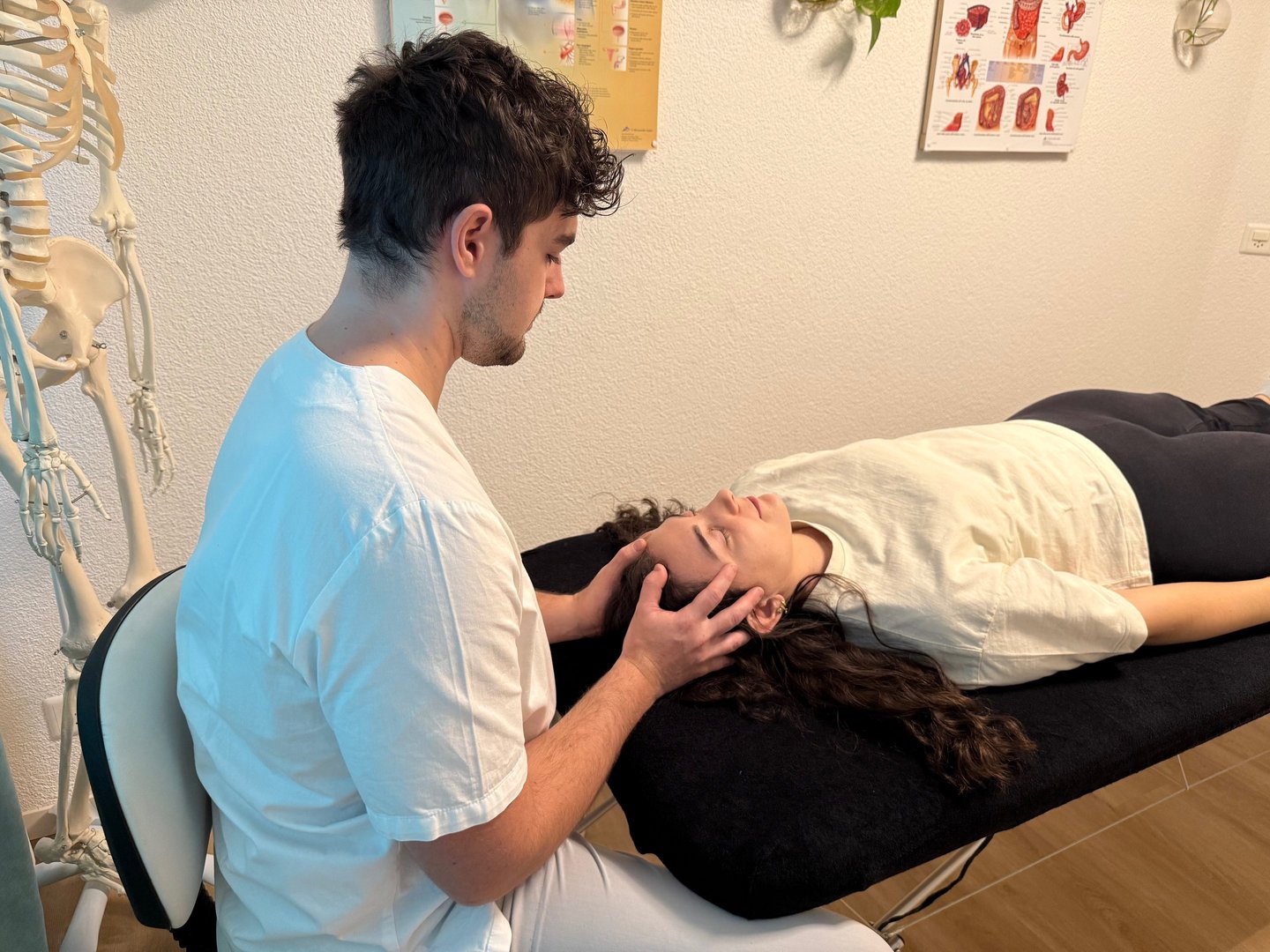
💆🏻♀️ Craniosacral Approach
🌿Fascial Approach
🦴 Structural Approach
🫀 Visceral Approach
🌊 Biodynamic Approach
🤍 A treatment that adapts to you 🤍
There is no standard technique: each session is different because every body has a unique history.
Tactile therapy is tailored to what the body truly needs in that moment.
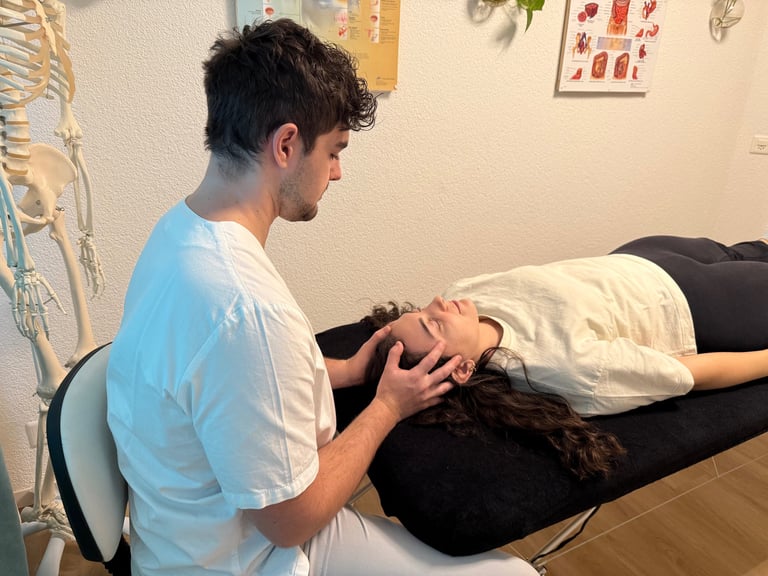
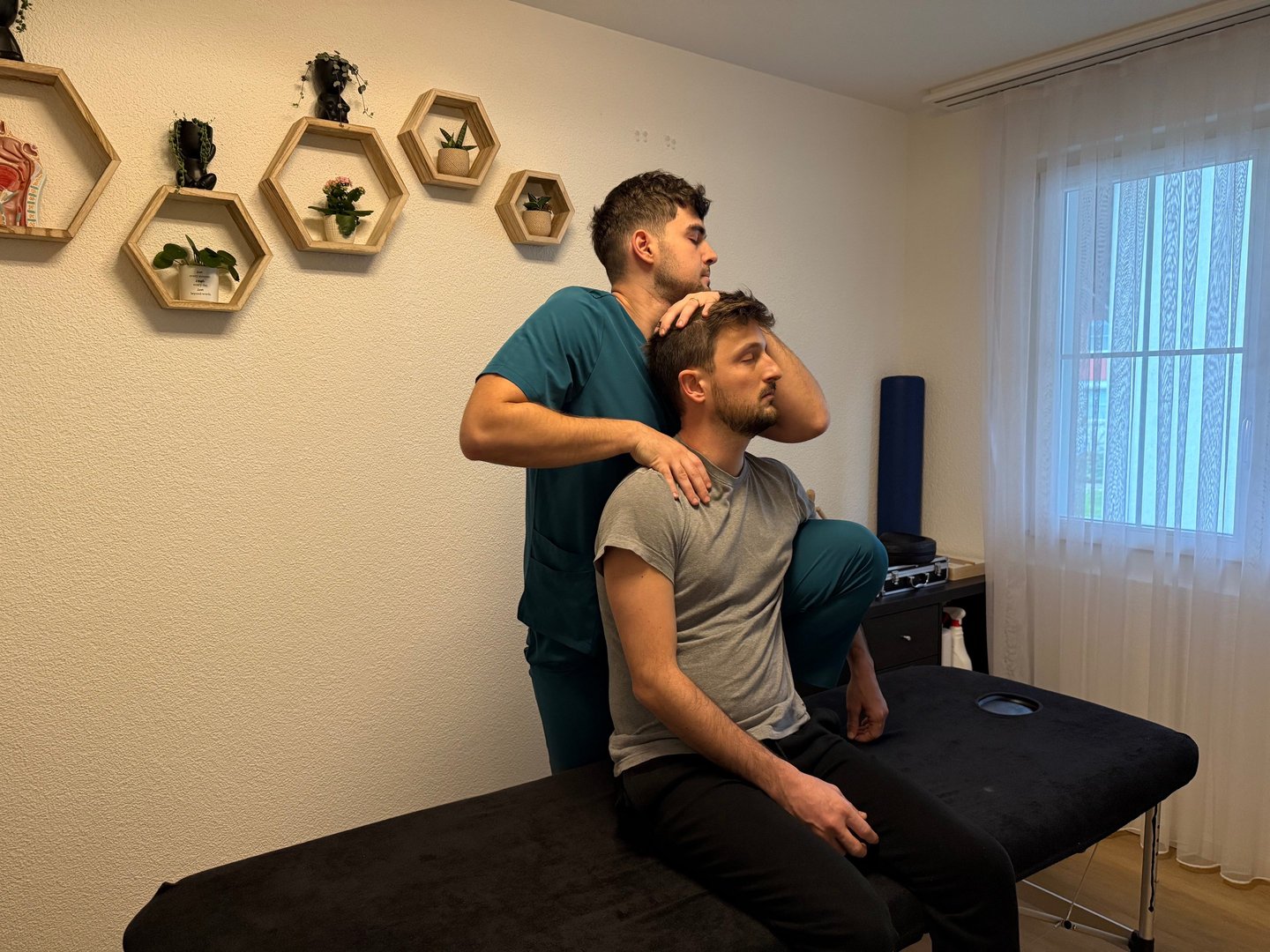
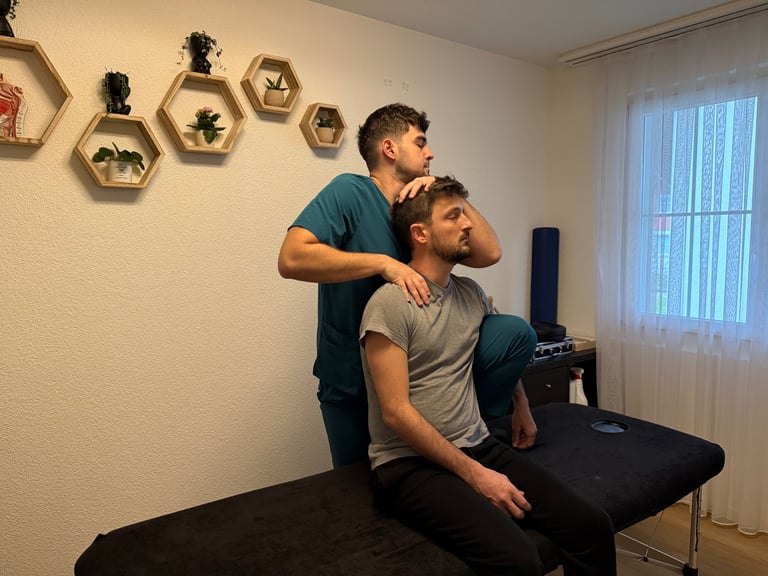
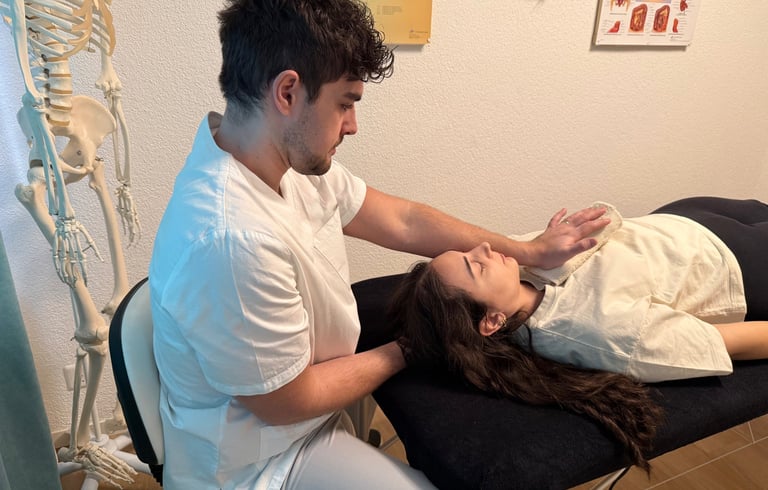
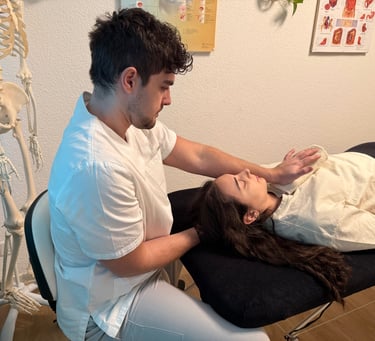
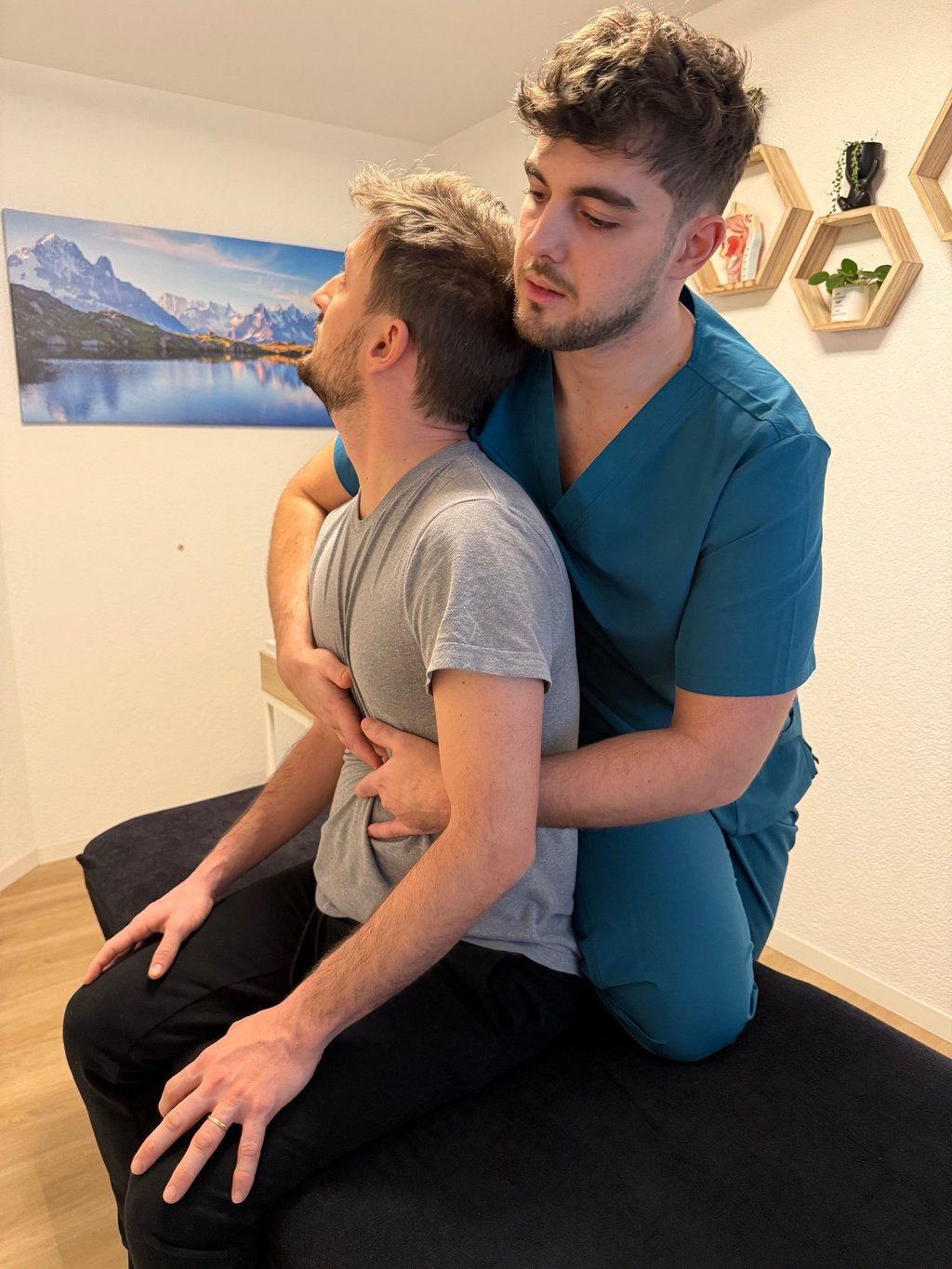
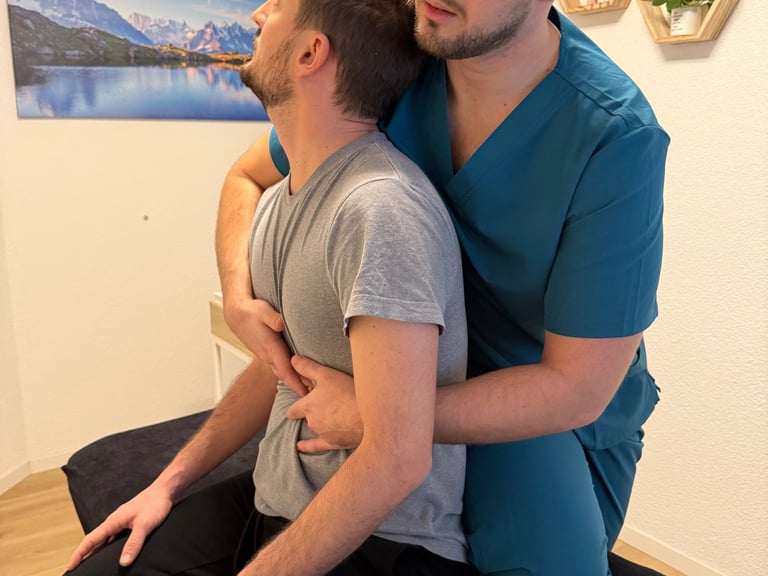
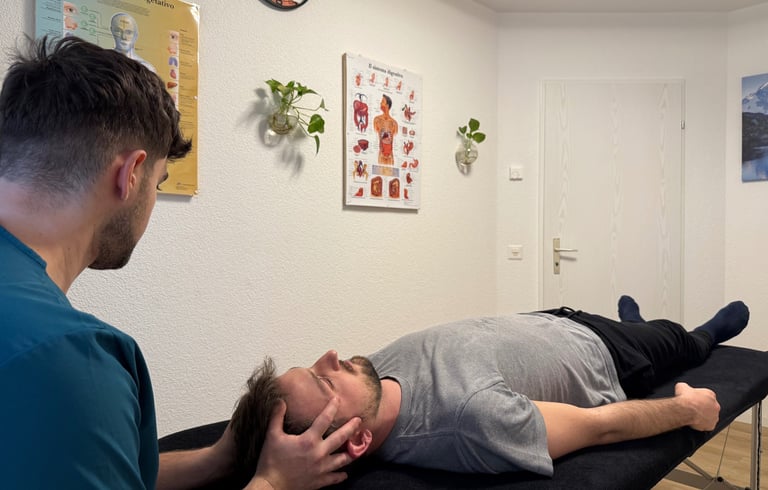
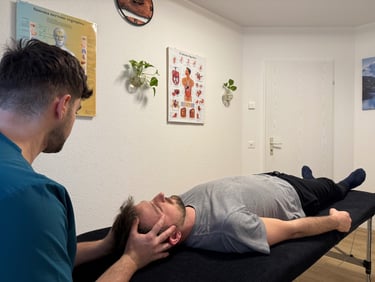




When necessary, the treatment focuses on joints and muscles to promote better mobility and reduce mechanical tension.
The work is always tailored to the individual, using targeted, non-invasive techniques that respect their capabilities.


A very gentle technique involving the head, spine, and pelvis.
It helps the body release deep tensions, promoting relaxation, better sleep quality, and improved nervous system regulation. It is particularly suitable for stress, fatigue, headaches, or neck pain.
Fascia is a continuous tissue that connects the entire body.
Through slow and gentle touches, tactile therapy helps release fascial stiffness and restrictions, improving movement fluidity and the overall sense of lightness and well-being.


Some bodily tensions can also be related to the fascia that surrounds and connects the internal organs.
Through specific and gentle contact, the treatment aims to improve the mobility of the viscera and their relationship with surrounding structures, supporting the well-being of the digestive, respiratory, and genitourinary systems.
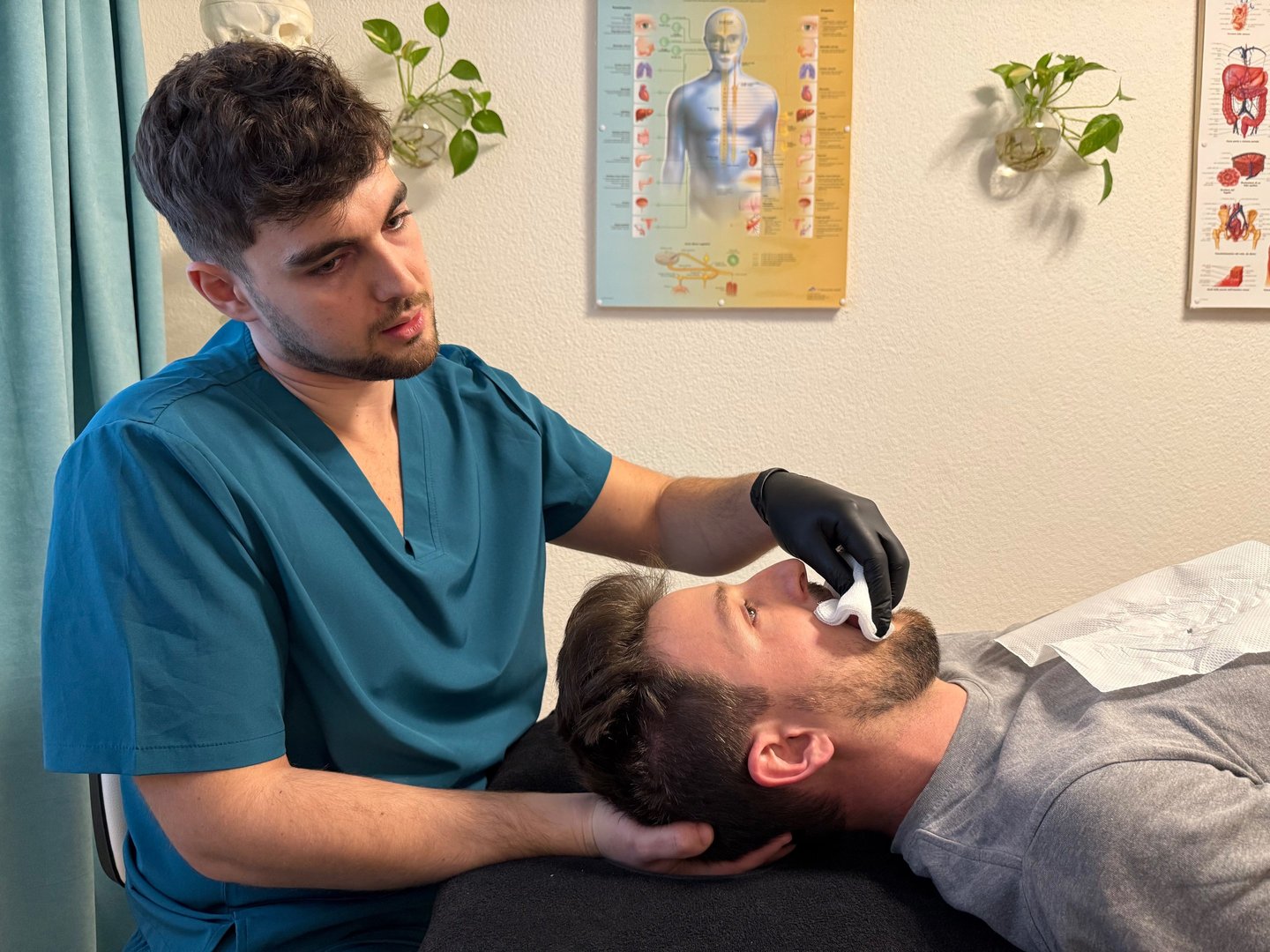
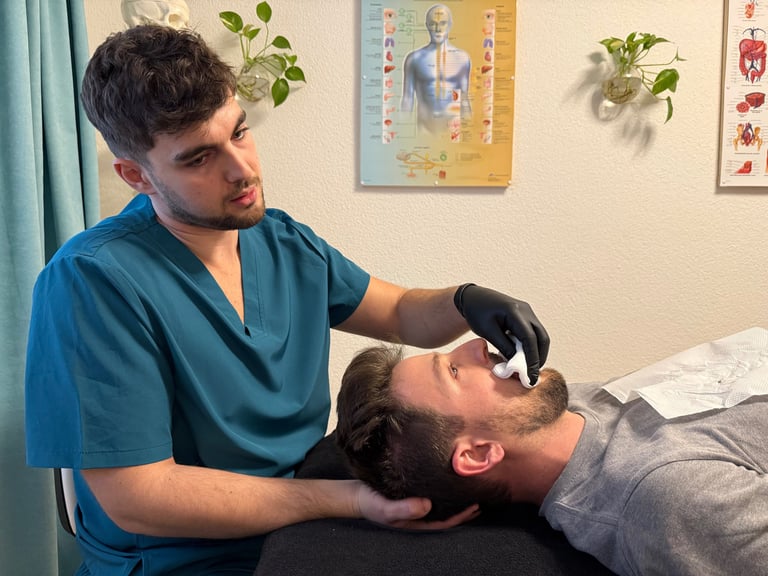
It is an approach suitable for everyone, particularly gentle and profound, which enhances the body’s natural ability to self-regulate and restore balance.
The therapist guides and supports the body’s internal processes, creating the conditions for self-healing mechanisms to emerge, with full respect for the individual.


Conclusion and Recommendations
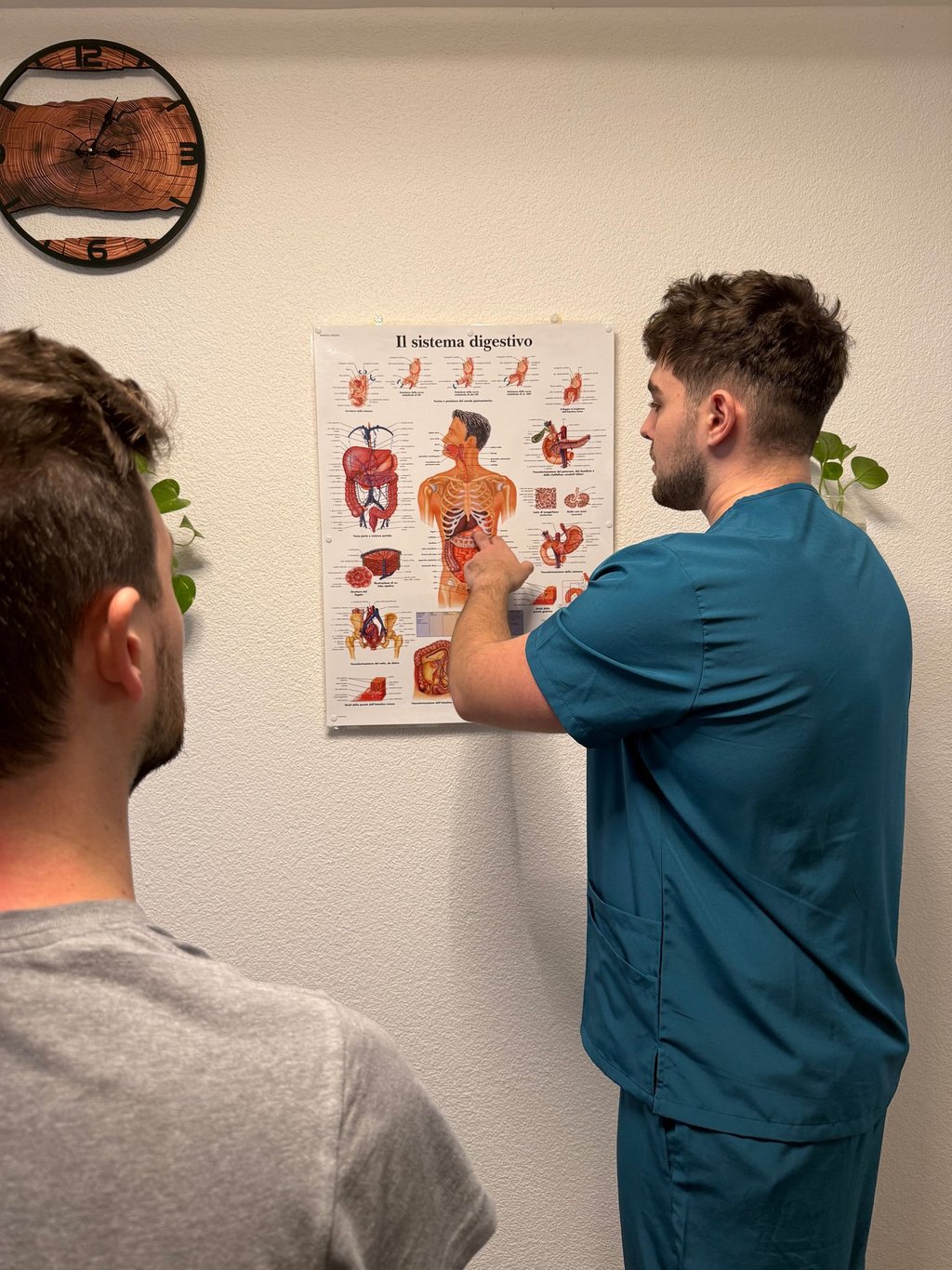
After the manual treatment on the table, the session continues: this phase is dedicated to integrating what the body has experienced, helping the individual recognize the changes and support them over time.
In this phase:
👉🏻 The treatment that was performed is reviewed
👉🏻 Greater body awareness is encouraged
👉🏻 Simple, personalized guidance is provided to support well-being in daily life (posture, breathing, listening to the body’s signals)
The journey is not limited to isolated interventions but offers, when necessary, genuine support.
Session after session, tactile therapy helps the body become more efficient, adaptable, and capable of self-regulation, respecting its natural timing.
The goal is not only to relieve a symptom but to help the individual feel more present, stable, and in harmony with their body, especially in the long term.


CONTACT
© LORENZO TERRANOVA |
SOCIAL
The body tells...
The hands listen.
TAKTIL THERAPIE TERRANOVA
Taktil Therapie Terranova
Mandachstrasse 52, 3rd floor
8155 Niederhasli
+41784420335
taktiltherapie.terranova@gmail.com

